


Mango Butter vs Shea Butter: Which Is Better for Sensitive Skin Formulations?
(ib.jpg)
Choosing ingredients for sensitive skin isn't always about finding the most popular option. More often, it's about understanding how an ingredient behaves inside a formulation and the kind of experience it creates for the end user. That's why mango butter and shea butter continue to be favourites among skincare manufacturers. Both are naturally derived, deeply nourishing, and widely used across personal care products, but they aren't interchangeable.
The better choice depends on what the product is meant to achieve.
What Does Sensitive Skin Need?
Sensitive skin is often more reactive to everyday triggers, from dry weather and pollution to frequent washing and harsh ingredients. Products made for this skin type are expected to moisturise without feeling heavy, support the skin's natural barrier, and leave behind a comfortable finish.
Natural plant butters help achieve this balance. Besides adding richness to a formulation, they improve texture and contribute to the overall sensory feel of a product, and that’s something consumers notice the moment they apply it.
Mango Butter: Light Texture, Everyday Comfort
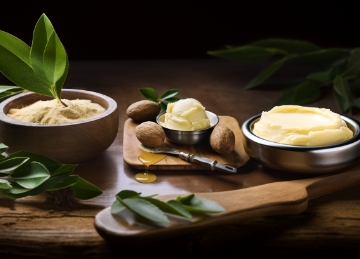
Extracted from the seed of the mango fruit, mango butter is known for its creamy consistency and relatively light skin feel. It allows formulators to create products that feel nourishing without becoming overly rich, making it a popular choice for daily skincare. Here's why it continues to find its way into modern formulations:
- It gives creams and lotions a smooth, silky texture.
- It blends well with botanical oils, humectants, and other emollients.
- It offers a lightweight finish that many consumers prefer for everyday use.
- It works well across facial care, body care, lip care, and hair care products.
These qualities have also made mango butter for sensitive skin an increasingly popular choice for brands looking to develop lightweight moisturizing products.
Shea Butter: Rich Nourishment That Has Stood the Test of Time
If mango butter is appreciated for its lighter profile, shea butter is often chosen when a formulation calls for deeper nourishment. Used in skincare for generations, it remains one of the industry's most dependable ingredients because of its naturally rich fatty acid composition and excellent emollient properties.
It is commonly included in body butters, hand creams, intensive moisturizers, and products created for dry or compromised skin. Beyond hydration, it also enhances product texture, giving formulations a rich and comforting feel that many consumers associate with premium skincare. This is one reason shea butter for sensitive skin continues to be a preferred ingredient in products focused on long-lasting moisturization and skin comfort.
So, Which One Should You Choose?
The answer isn't as straightforward as one being better than the other. In practice, formulators often choose the butter that best matches the product they're creating.
• Mango butter is well suited to lightweight creams, facial moisturizers, and products designed for quick absorption.
• Shea butter works exceptionally well in richer formulations where lasting nourishment is the priority.
• Many skincare brands combine both to create products that offer a balanced texture along with effective moisturization.
For brands developing products for delicate skin, the best butter for sensitive skin is often determined by the formulation itself rather than the ingredient in isolation.
As consumer preferences continue to shift toward naturally derived skincare, both mango butter and shea butter remain valuable formulation ingredients. Each brings distinct characteristics to a product, allowing manufacturers to create skincare that feels gentle, performs consistently, and delivers the kind of experience consumers look for every day.

2.jpg)
5.jpg)