


The Science of Fatty Acids in Plant-Based Butters and Their Impact on Skin Health
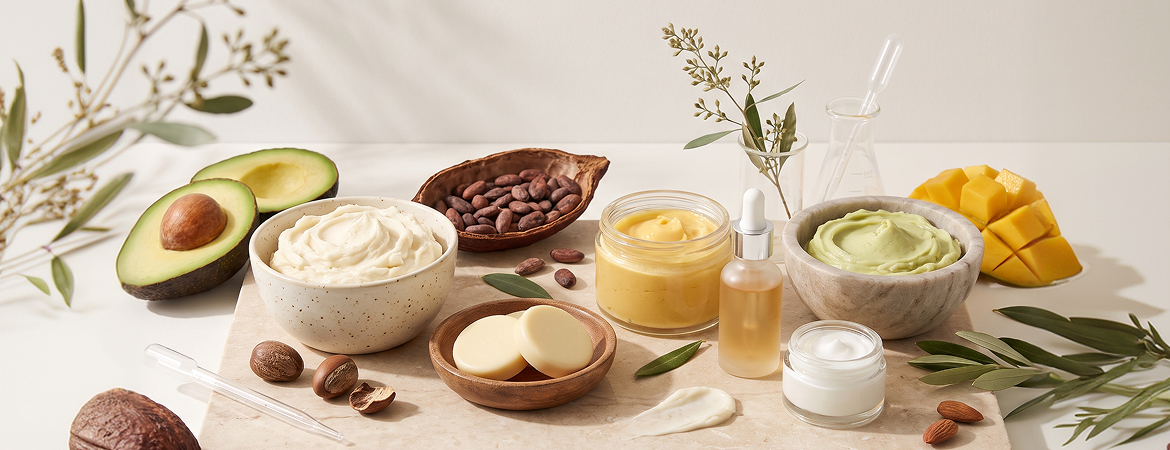
Healthy skin thrives on a combination of things working well together. Moisture has to stay in, the barrier has to stay strong, and the skin needs the right lipids to keep everything balanced. Vitamins and antioxidants get plenty of attention, but fatty acids do a lot of the quiet, essential work. They help skin stay soft, comfortable, and buffered to handle stress with ease. That is one reason plant based butters have become such a valuable part of modern skincare.
Made from botanical sources, these ingredients offer a naturally useful blend of lipids that the skin can recognise and use. When they are combined with high-quality oils & fats, formulators can create products that feel luxurious while still performing well.
Why Fatty Acids Matter
The skin’s outer layer relies on fatty acids to remain healthy and resilient. These compounds help reduce moisture loss and support the barrier that protects skin from wind, heat, pollution, and other environmental challenges. When the skin does not have enough lipids, it can quickly begin to feel dry, tight, or irritated.
That is why interest in fatty acids in skin care continues to rise. Brands are looking for ingredients that do more than sound natural on a label. They want materials that genuinely support skin function. Botanical ingredients fit that need well because they provide a wide range of fatty acids that work in harmony with the skin’s own structure.
The Role of Plant-Based Butters
Even though many botanical ingredients come from nature, they do not all behave the same way. Carefully processed plant based butters bring a rich, cushiony texture that helps soften skin and improve the feel of a formula. Their semi-solid nature also makes them useful in creams, balms, lotions, and body butters, where texture matters just as much as performance.
Depending on the source, these butters may contain oleic, stearic, palmitic, and linoleic acids in different amounts. Each fatty acid contributes something slightly different, whether that is conditioning, smoothing, spreadability, or absorption. That kind of flexibility gives formulators room to design products for dry skin, sensitive skin, or everyday moisturising care.
Balancing Oils, Fats, and Functionality
Good skincare rarely comes down to one ingredient alone. More often, it is about finding the right balance. Premium oils & fats work alongside natural butters to improve glide, absorption, and overall consistency while still delivering nourishment. Another ingredient that often plays an important role is exotic fat. It is frequently chosen for its stability and its ability to improve texture without making a formula feel heavy or unrefined.
A well-selected exotic fat can help a product remain dependable during storage and regular use, which matters just as much as how it feels when applied. When oils & fats, botanical extracts, and plant based butters are blended with care, the result is a formula that feels pleasant to use and supports skin comfort over time.
Choosing Ingredients That Make a Difference
Today’s consumers want skincare that feels natural and light. For manufacturers, choosing the right plant butter for skin means paying attention to purity, fatty acid profile, processing methods, and supply consistency. Those details influence both the performance of the final product and the confidence it inspires in customers.
As the beauty and personal care market continues to evolve, dependable botanical ingredients remain in demand. Whether the goal is a rich body cream, a protective lip balm, or a lightweight moisturiser, carefully selected plant based butters continue to provide a strong foundation. By combining high-quality oils & fats, functional exotic fat, and well-studied fatty acids in skin care, formulators can create products that support healthier-looking skin while still delivering the texture, stability, and sensory appeal people expect.

2.jpg)